Thailand to control capital inflows

Thailand capital controls

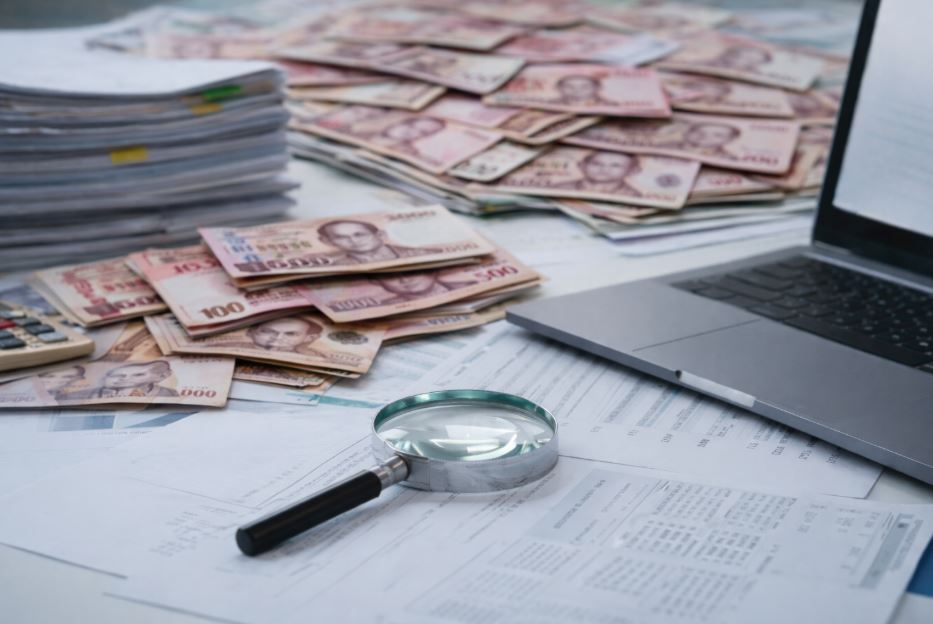
Thailand tightens capital inflows controls to monitor rapid foreign exchange amid the strengthening of the baht. 

The Bank of Thailand (BoT) stated that, as of December 29, 2025, under the new rules, Thai banks are required to report and request confirmation, along with supporting documents, for capital exceeding US$200,000 for both residents and non-residents. 

According to the BoT Governor Vitai Ratanakorn, it is the first time that authorities have begun systematically checking the purposes and documentation of such inflows, thereby improving visibility into cross-border currency movements.

The central bank will also begin reporting gold trading transactions conducted via digital platforms. Amid concerns that gold trading has become a frequently used and lucrative method for foreign exchange flows, it will report on both a per-day and a per-transaction basis.

According to the data from the central bank, online gold trading has accounted for approximately 40-60% of total foreign exchange transactions in recent months. Officials say this surge in activity may be related to increased pressure on the Thai baht.

The Thai baht has strengthened significantly compared to its regional neighbors. In December alone, the currency appreciated 4.2% against the US dollar, compared to gains of 1.7% for the Malaysian ringgit, 1.4% for the Singapore dollar and 1% for the Chinese yuan. Year-to-date, the baht has appreciated 9.4%. Consequently, the central bank was forced to make policy changes.

Further measures and discussions on a possible business tax on online gold trading are planned by the BoT, the Ministry of Finance and the Securities and Exchange Commission.

3

What's New?

Book a consultation

Do you want to simplify your bookkeeping and compliance in Thailand? Book a free consultation with us today!