
Smooth Interactions with Thai Authorities
Essential aspects of working with Thai government officials
Working with Thai government officials is often the main part of doing business in Thailand. Whether you’re applying for a business license, attending a formal meeting or handling legal questions, knowing how to interact properly can make the process smoother and more respectful. In this quick guide, we will explain how to approach Thai authorities with the right attitude, language and behavior. We will cover key points such as how to speak to officials, why patience matters and what customs you should keep in mind to build strong and respectful relationships.
Understanding the Role of Thai Authorities
Thai government officials hold respected positions, and their role in business matters can be significant, especially in regulated industries such as construction, import/export, education, energy and healthcare. It is important to understand that decisions are often guided not only by written rules, but also by internal processes and professional care.
Authority is respected in Thai culture, and officials are expected to be treated with formality and politeness. Unlike in some countries where public servants may be addressed casually, Thai officials often expect a degree of ceremony and deference, particularly in formal settings.
In some cases, approvals and decisions may require multiple layers of internal review. Even if your documentation is in order, outcomes can take time and status updates may be limited. This is not necessarily a sign of disinterest or inefficiency. In other words, it reflects a system that values structure, internal consultation and procedural caution.
Foreign business owners should approach these interactions with patience, respect and a willingness to follow the process. Trying to rush decisions or bypass formal channels can be counterproductive and may even damage your credibility.
Business Etiquette When Dealing With Officials
When dealing with Thai authorities, showing proper respect through language and behavior is essential. Formality is expected, especially in written communication or official meetings. Always address Thai officials using their correct title and surname unless invited to do otherwise. If you’re unsure of someone’s rank or position, it’s better to be more formal than too casual.
In Thai culture, titles carry weight. For example, if you are speaking with a director, deputy or senior officer, use their full designation. It’s also polite to offer a slight nod or wai, which is the traditional Thai greeting, especially when meeting a senior figure for the first time. While foreigners aren’t strictly expected to use the wai, responding to one shows that they are culturally aware and respecting.
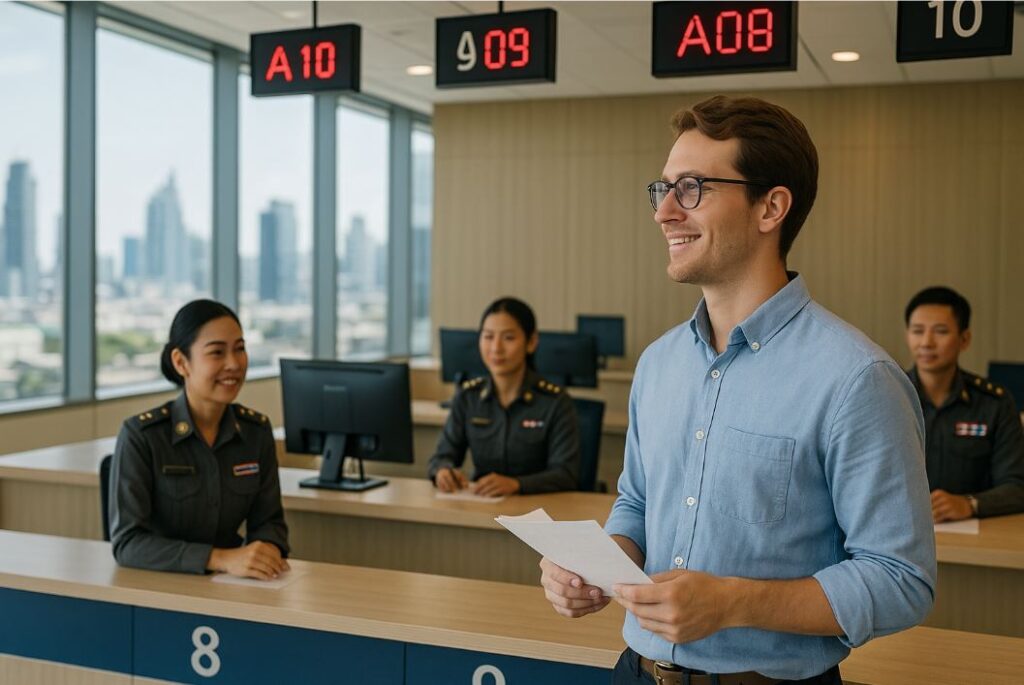
When presenting documents to Thai authorities, use both hands or the right hand with your left supporting your forearm. This small gesture conveys courtesy and attentiveness. Avoid casual behavior, such as placing papers or phones on official desks without permission or sitting in an overly relaxed or informal way in a meeting as such actions may be seen as disrespectful.
Communication should be polite, measured and free of confrontation. If there is a need to raise a concern or disagreement, do so privately and respectfully. Public correction or a forceful tone may cause embarrassment, which can damage your relationship with Thai government officials and slow down your business progress.
The Importance of Patience and Protocol
When working with Thai authorities, it’s essential to understand that procedures may take time. This isn’t necessarily due to inefficiency, but often reflects the careful and methodical way official matters are handled. Decisions may require multiple signatures, cross-department reviews or internal meetings.
Foreign professionals should avoid pushing for quick decisions. Thai officials may interpret this as impatience or pressure, which could harm your relationship. Instead, show understanding by asking respectful follow-up questions and giving authorities space to follow their processes.
Protocol matters. Meetings with Thai government offices may follow a structured format, and it’s not uncommon for juniors to speak little or not at all, even if they are fluent in English. Speak calmly, maintain a respectful tone and allow time for translation or internal discussion when necessary.
Navigating Bureaucracy: Practical Expectations
Formal rules, internal hierarchies and step-by-step workflows bind Thai authorities making their bureaucratic system highly structured. This may mean that even straightforward approvals, such as business registrations, visa extensions or licensing, often goes through multiple departments, require signed documents and several rounds of in-person visits.
For foreign professionals, it’s important to understand that tasks which may seem routine can be delayed due to:
- Strict documentation requirements
Even minor inconsistencies (e.g. name spellings, expired photocopies, unstamped pages) can result in full rejection or they will need to be started over. Thai authorities are detail-oriented and often expect full compliance before moving forward.
- Multiple points of approval
In many cases, applications must be reviewed by junior officers and then passed to senior officials for final signatures. This applies to agencies like the Department of Business Development (DBD), the Board of Investment (BOI), immigration offices and local administrative bodies.
- Office-specific interpretation of regulations
While there are national laws, different provincial or district-level offices may interpret procedures slightly differently. What works in Bangkok may be approached differently in other cities in Thailand such as Chiang Mai or Phuket. Local Thai authorities often have some discretion in how they apply the rules.
- In-person interaction over digital processes
While Thailand has made progress in digitization, many key processes still require physical documents, handwritten forms and face-to-face submission. Foreigners should not rely solely on online portals or email unless specifically advised by the relevant authority.
- Public holidays and queue systems
It’s common for government offices to close during Thai public holidays, religious holidays or early on Fridays. Some offices operate on a queue number basis, meaning applicants must arrive early, sometimes before opening hours, just to secure a spot.
Conclusion
Dealing with Thai authorities can feel complex at first, but success often comes down to respecting the process, understanding the culture and communicating with patience. From submitting documents to attending meetings, each interaction should be handled with formality and care. By learning the expectations of Thai authorities, foreign business owners can avoid unnecessary delays and build smoother, more cooperative working relationships.